
Monitoring looks offline
Check home internet, inverter status, and the monitoring app before assuming the panels stopped producing. Keep the installer and equipment support contacts with the system records.
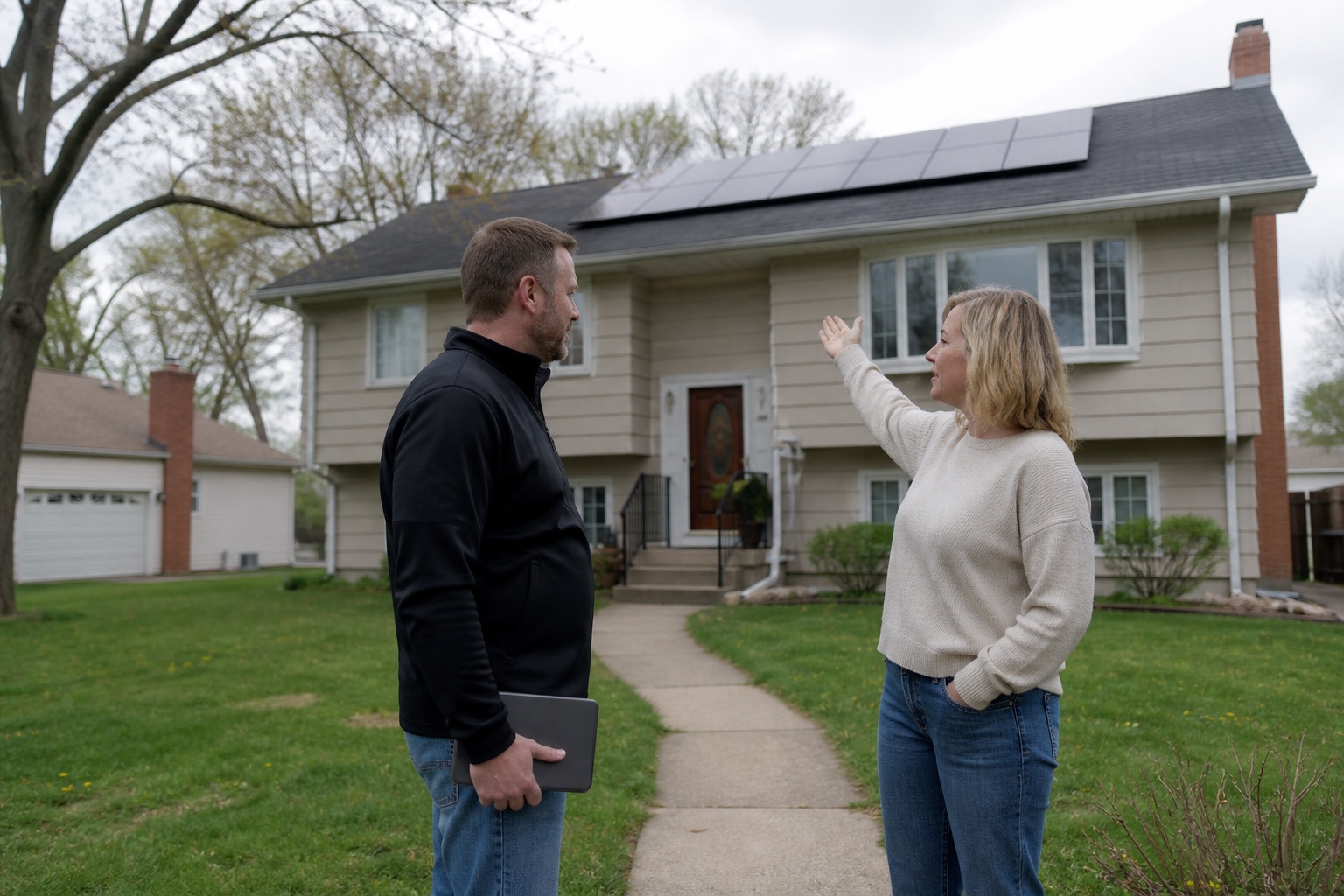 Illustrative image
Free guides for evaluating solar, reading proposals, and handling the questions that show up years after the panels do.
Get a home-specific estimateStart with whether your home fits, learn how the system works, then compare price, incentives, savings, and financing.
Find the questions your home needs answered first.
↗02Follow energy from the roof to the home and grid.
↗03See current planning ranges and price drivers.
↗04Understand the assumptions behind a savings model.
↗05Review 2026 state and utility program facts.
↗06Compare cash, loans, and third-party ownership.
↗Eight pages covering solar fit, system basics, Illinois costs, current incentives, financing options, and a proposal review checklist, everything for the first conversation.
Download the guide
Practical breakdowns of solar design, Illinois programs, proposal math, and the questions homeowners actually bring to the table.
Read the blogSix situations most solar owners eventually hit, and what to do when they happen.
Check home internet, inverter status, and the monitoring app before assuming the panels stopped producing. Keep the installer and equipment support contacts with the system records.
Solar can reduce the energy portion of a bill, but fixed charges, taxes, credits, and imported electricity can remain. Compare billing periods and exported energy, not just the balance.
Keep ownership or financing documents, warranties, permits, interconnection approval, production records, and any transfer instructions together for the next owner.
Roof replacement can require solar removal and reinstallation. Confirm who is authorized to do the work, the price, scheduling, and warranty implications before hiring a roofer.
Most grid-tied solar shuts down during an outage for worker safety. Backup power generally requires compatible battery equipment and a correctly designed protected-load setup.
Start with the issue: proposal and support questions go to DSP; installation workmanship goes to the licensed installation partner; metering and grid billing go to the utility.
Your Disclosure Form and agreement control the exact responsibilities. Direct Solar is registered as Illinois Shines Designee D5926 for Disclosure Form and Marketing/Sales activity under Approved Vendors Tron Solar, LLC and Sunrun Installation Services Inc. The project documents identify the Approved Vendor and installation partner assigned to your project.

Education, consultation, system planning, proposal comparison, communication, and homeowner support.
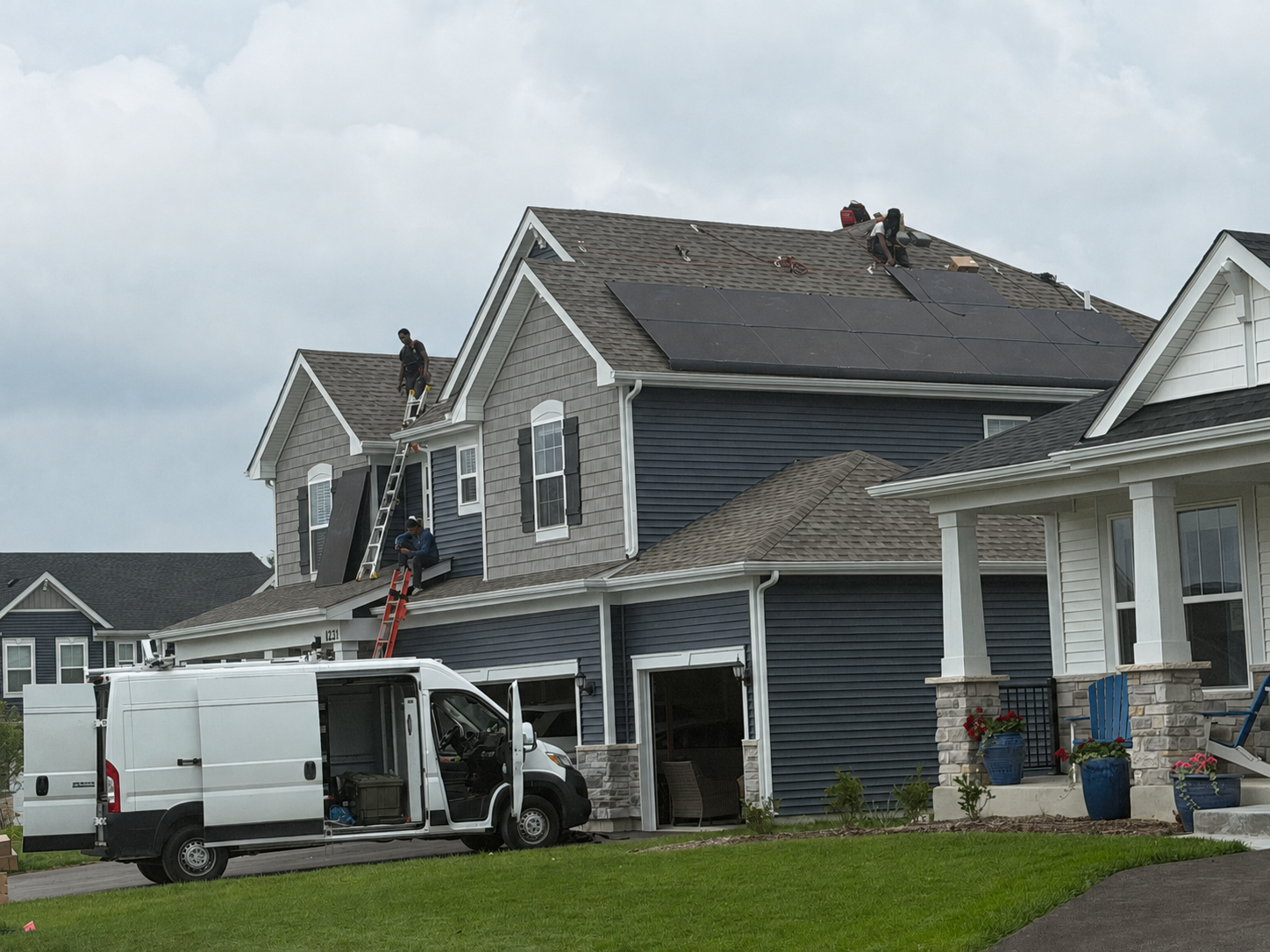
The project documents identify the entities responsible for the Illinois Shines application, site assessment, engineering, permits, installation, inspections, and commissioning.
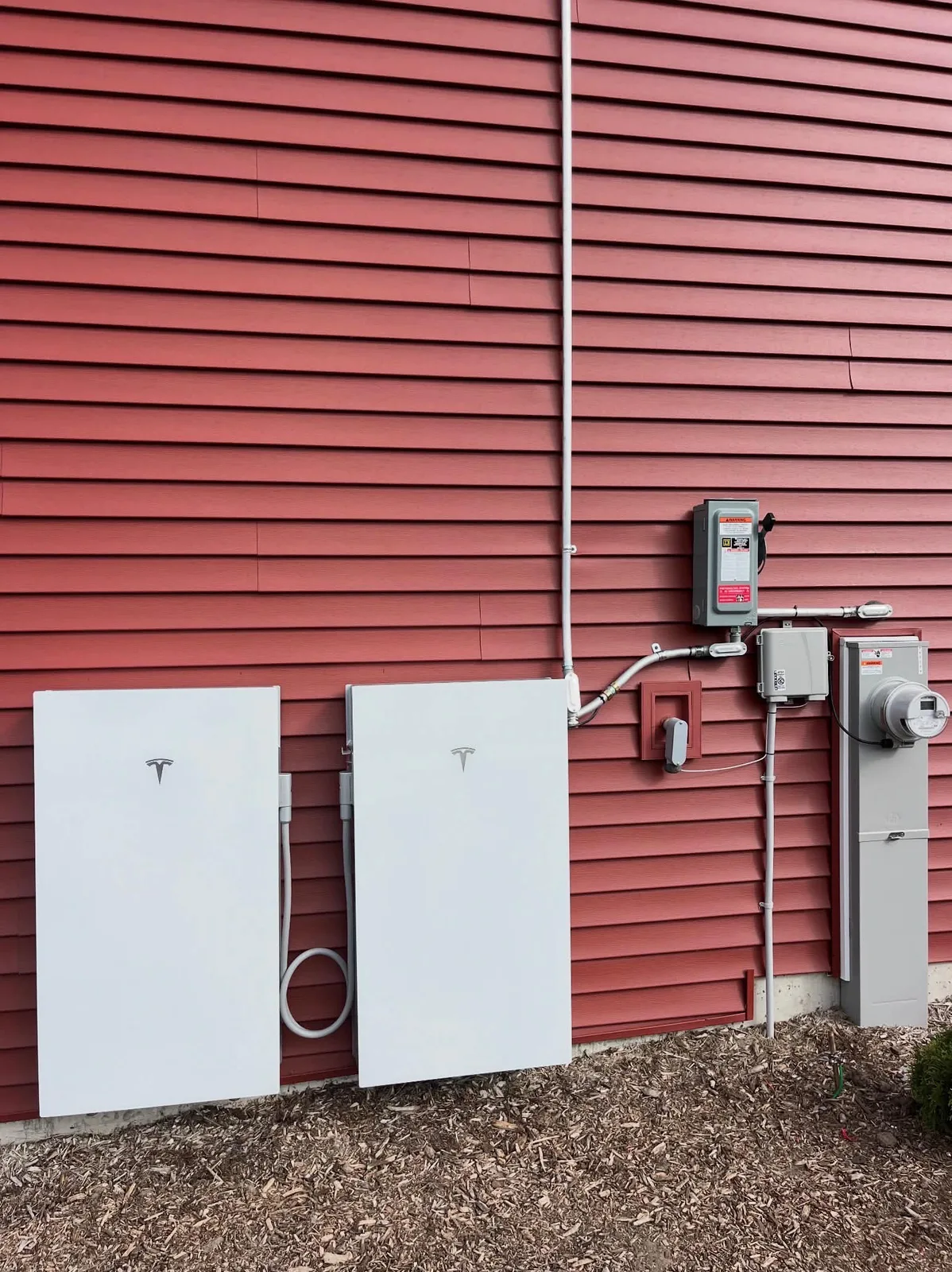
Metering, interconnection approval, grid billing, rate plans, outages, and utility-administered rebates. The utility is not affiliated with or endorsing Direct Solar Pros.
What to bring, what to keep, and where education ends and professional advice begins.
Browse every FAQDirect Solar Pros handles education, consultation, system planning, proposal review, and homeowner support. Physical installation is completed by a licensed installation partner identified in the project documents.