
Backup priorities
Identify which circuits matter, how long they should run, and what loads should remain off during an outage.
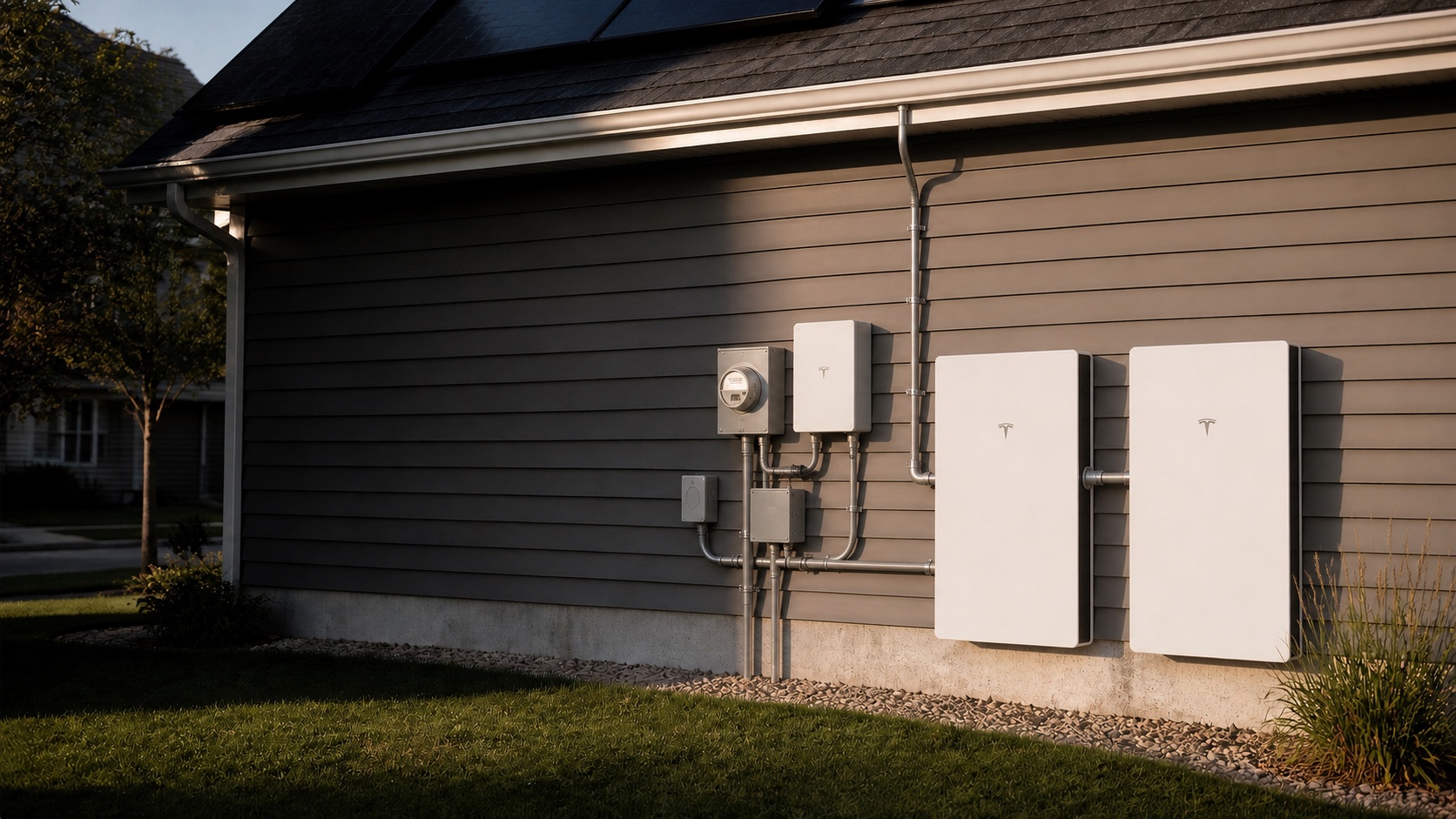
Backup power for your home.
Home batteries keep the essentials running during an outage and can store your solar power for use after sunset. We help you decide if one is worth it.
Design my backup planTap the household loads below. Watch how one choice changes the entire backup conversation.
Illustrative runtime on a 20 kWh-class battery with a planning reserve.
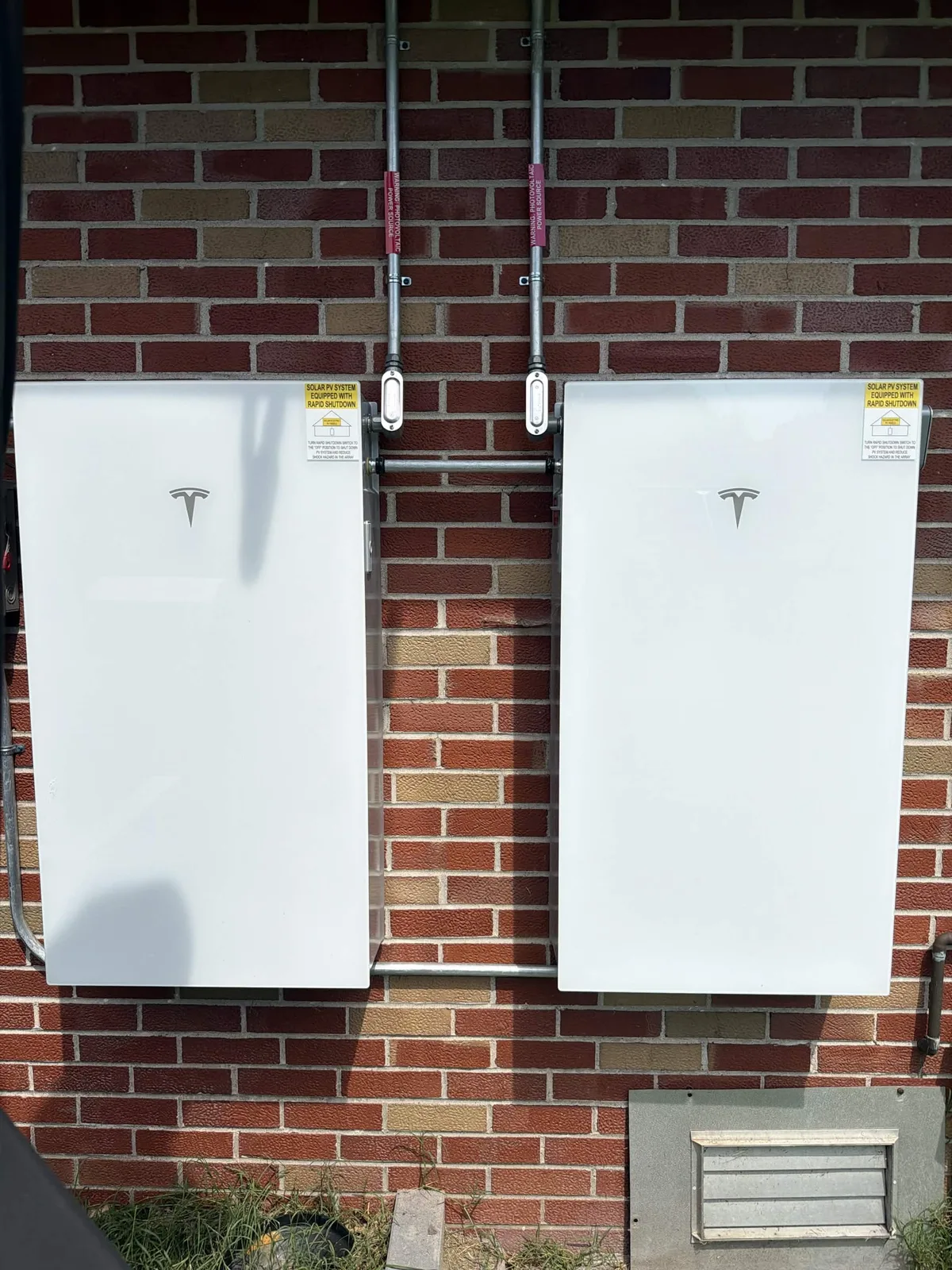
Identify which circuits matter, how long they should run, and what loads should remain off during an outage.
Usable energy, output power, solar recharge potential, equipment limits, and expansion options belong in the model.
Storage cost and value are compared separately from solar so backup benefits are not disguised as guaranteed savings.
Decide what must stay powered and what can wait.
Estimate load size, runtime expectations, and solar recharge conditions.
Review capacity, output, integration, placement, and expansion tradeoffs.
The installation partner confirms electrical scope, permits, and final equipment layout.
Backup performance depends on system configuration, connected loads, battery state of charge, weather, and solar availability. Final design is completed by the installation partner.
Compare storage pathsStart with the common questions, then verify the equipment, home, provider, and utility details for your project.
Browse every FAQOnly if the system is designed and sized for that goal. Many installations prioritize essential circuits because whole-home backup requires more power, capacity, and cost.