
Local utility rules
Billing, metering, and program assumptions need to be verified rather than copied from another Illinois market.
 Illustrative image
Compare your current electric bill with a solar plan built for your home, your utility, and your long-term plans.
Southern Illinois homes range from Metro East suburbs to rural properties with wide-open sun. We pull the equipment, incentives, utility rules, and your monthly bill into one estimate you can actually follow.
A good proposal shows you where every number came from. That's the difference between a sales pitch and a decision you can still defend years later.
Billing, metering, and program assumptions need to be verified rather than copied from another Illinois market.
Unshaded roof planes can support strong annual production, but pitch, orientation, equipment, and system losses still matter.
Battery economics should be evaluated separately, including backup goals, equipment cost, rate structure, and current eligibility.
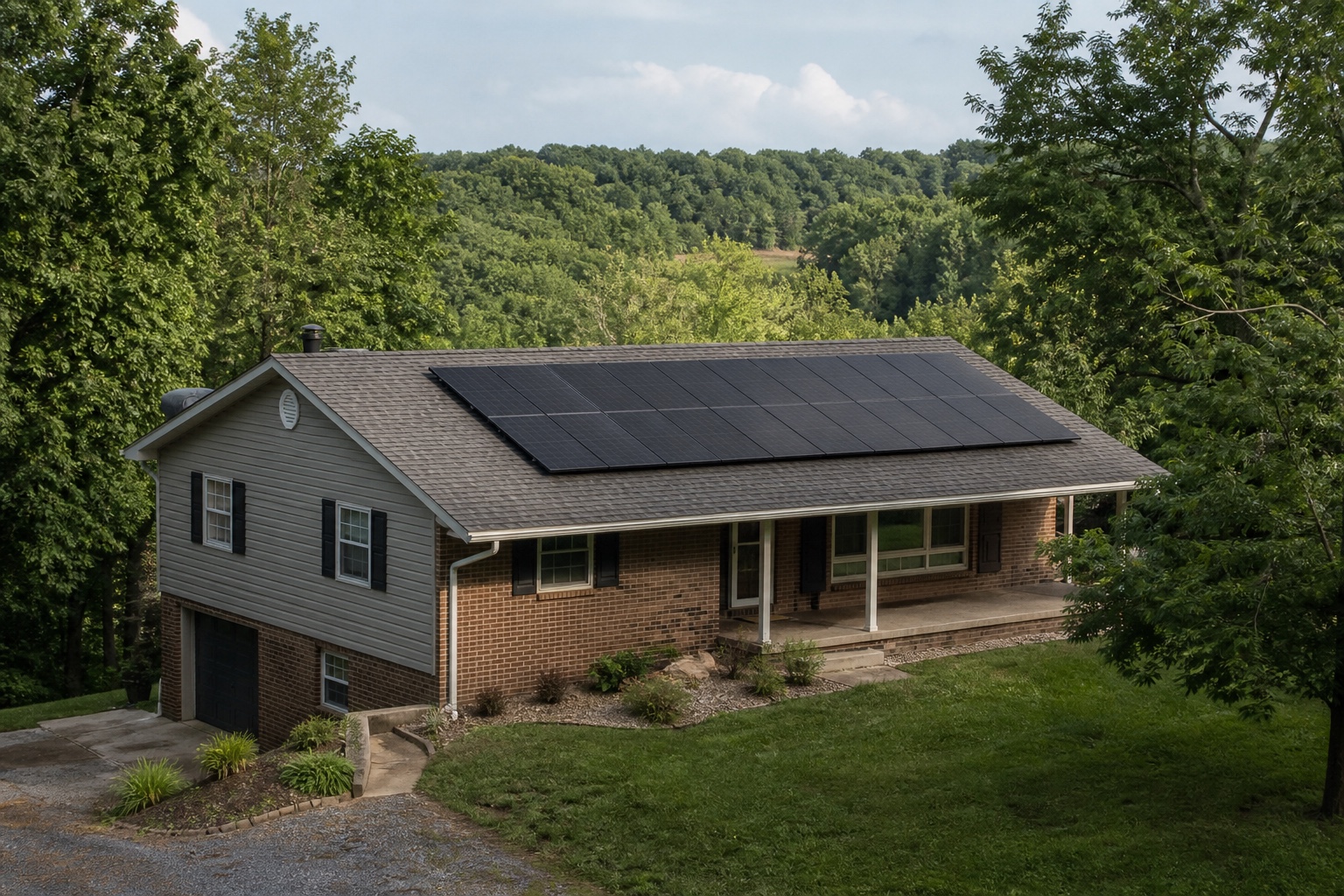
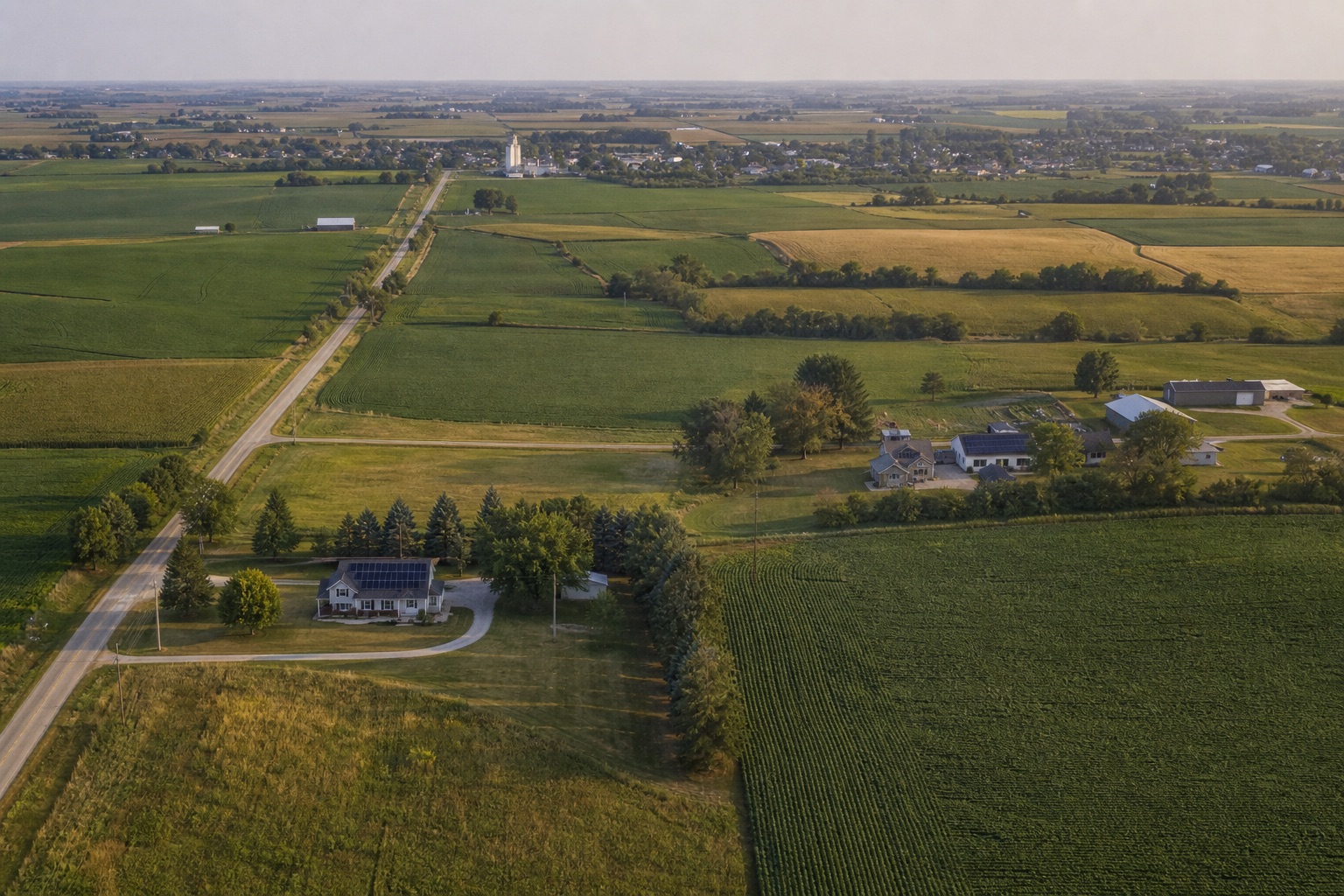
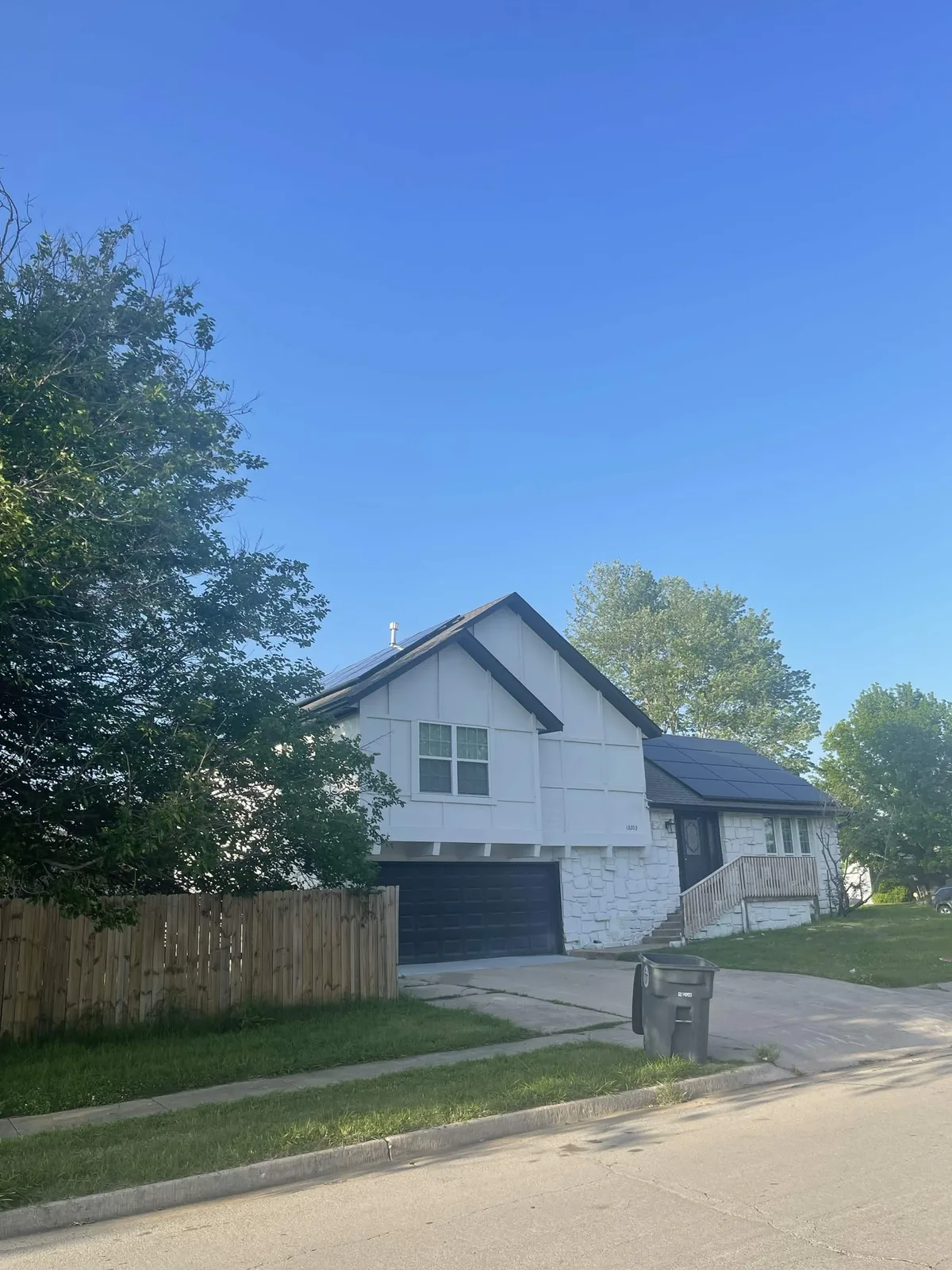
A monthly payment alone tells you almost nothing. Your estimate is built from these four inputs, and we show you all of them.
Twelve months of usage, seasonal peaks, rate structure, and the charges that may remain after solar.
Usable planes, pitch, orientation, shade, roof condition, setbacks, and room for productive panels.
Current delivery territory, billing rules, metering, interconnection, and program assumptions.
Cash price, financed price, payment structure, fees, transfer terms, and long-term goals.
One missing input can change the entire answer.
Billing rules, rates, and rebate programs differ between ComEd, Ameren, and local utilities. We start with whoever is named on your actual bill.
Your bill tells us how much energy you use, when you use it, and which charges solar can actually reduce. That's the baseline every other number is built on.
Start with my bill ↗Illustrative framework, not a quote or savings guarantee.
Send us a recent bill and your address. We'll take it from there.
Get my Southern Illinois estimateDirect Solar Pros guides your decision and stays involved through the whole project. Licensed installation partners handle the site work, permits, installation, and inspection.
Everything starts with a recent electric bill and a conversation about what you want solar to do: lower the bill, cover an EV, or prep for backup power.
Availability is confirmed address by address. Reach out and we'll check yours.
Clear answers now prevent expensive surprises later.
The panels work the same, but billing, metering, interconnection, and available programs can differ by utility. We build the proposal around the actual account rather than importing assumptions from another market.
Not necessarily. Grid-connected homes may still have fixed or other charges. A responsible proposal estimates remaining utility costs and avoids presenting a zero bill as a guarantee.
No. A battery can support backup and energy-management goals, but it also adds cost. We compare solar-only and solar-plus-storage paths separately.
The installer completes the site survey, final design, permitting, installation, and inspection. Direct Solar Pros remains involved through the handoff and utility permission-to-operate process.